
DAY 7 | Spirit, Vision & Becoming
Looking forward with clarity
WHAT IS THE POSTURE?
Over the past seven days, you’ve reflected on different areas of your life. You don’t need to start from scratch now. Your posture has likely already been revealing itself through your writing, your movement, and what has felt important to protect or change.
Many people begin a new year by choosing a word, setting intentions, or making resolutions. These can be useful, but they often focus on outcomes or behaviours in isolation.
The Continuum Process uses a posture instead.
A posture is not a goal or a rule. It’s the way you choose to stand in your life. Unlike a single word or a resolution, a posture can hold complexity and contradiction. It offers flexibility across different areas of life, while keeping you centered in something embodied and true.
Your posture becomes an internal reference point. A way of leading yourself forward that responds to real life as it unfolds, rather than trying to control it in advance.
This final step is about naming how you want to stand in your life, and giving that posture a simple, practical form you can return to throughout the year.
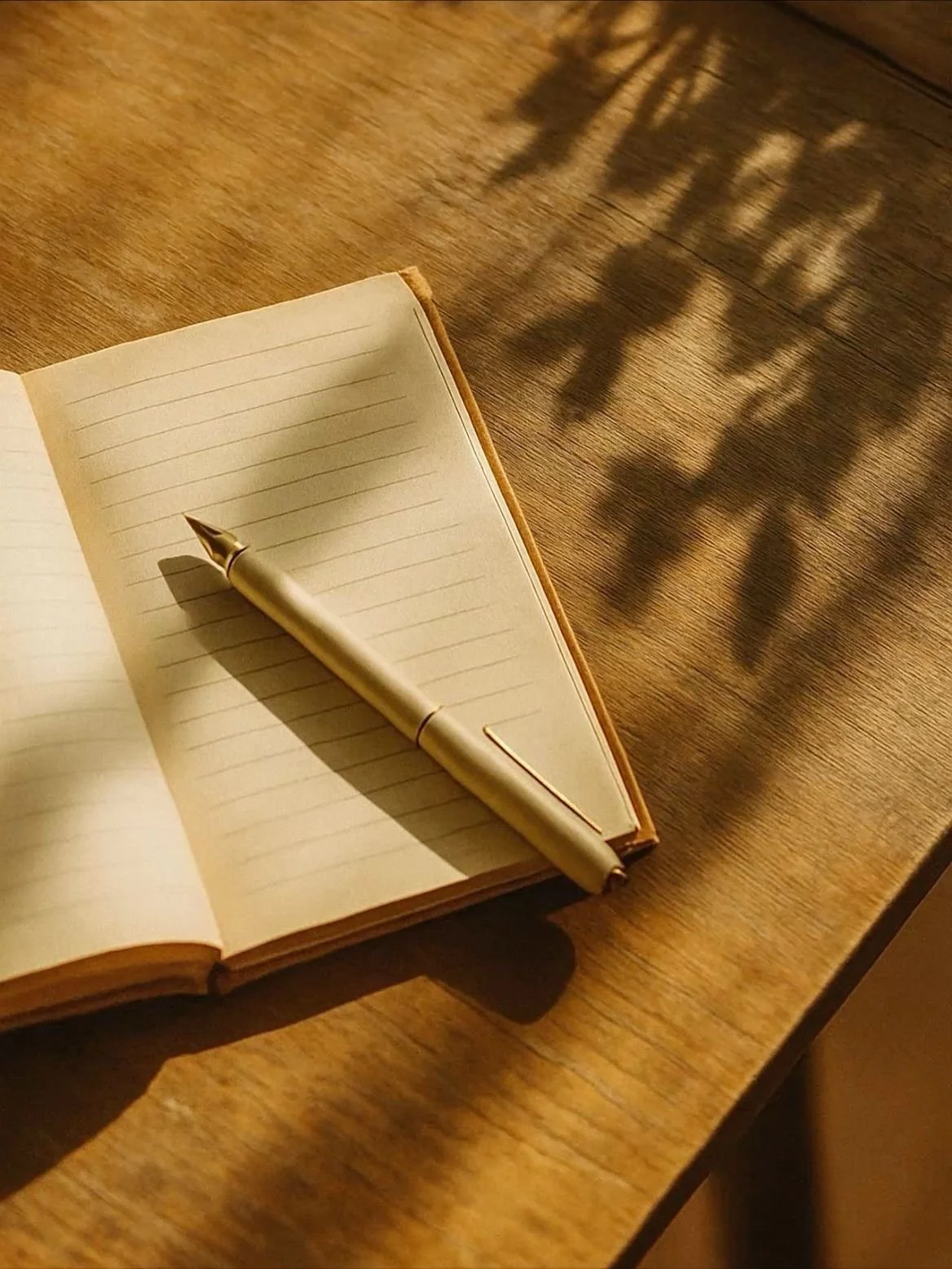
ACTIVITY 1: JOURNALING prompts
When I look ahead, what feels quietly important to honour or protect?
What am I ready to stand for in how I meet this year?
What kind of pace, energy or posture feels sustainable and true for me now?
CREATING YOUR VISION MAP FOR 2026
ACTIVITY 2:

How to use the Posture & Intentions Template
You’ve already done the reflective work. This template is here to help you gather, anchor and return to what’s emerged, not to create something new from scratch.
Move through it slowly. You don’t need to complete everything in one sitting.
THE POSTURE
INSTRUCTIONS
Page 1: Your posture
On the first page of the template, you’ll find space to capture your posture statement and the visuals that support it.
Start by writing your posture at the top of the page.
Your posture is not something you need to invent. It has likely been revealing itself throughout the week, through your journaling, your movement, and what has felt important to protect or change.
Postures often arrive as short, human phrases that feel emotionally true rather than aspirational. When you read one, you’ll usually feel a small internal “yes”.
Examples, for inspiration only:
Hold Steady, Even Here
Lead With Calm
Move Gently, Stand Firm
Trust What’s Unfolding
Less Force, More Truth
Choose Depth Over Speed
Stay With What Matters
Rooted, Not Rushed
Quietly Brave
At My Own Pace
Let It Be Enough
Strong Without Hardening
Clear, Not Loud
Soft Hands, Strong Spine
You don’t need to choose one of these, although you could if it aligns. They’re simply here to show the shape a posture can take.
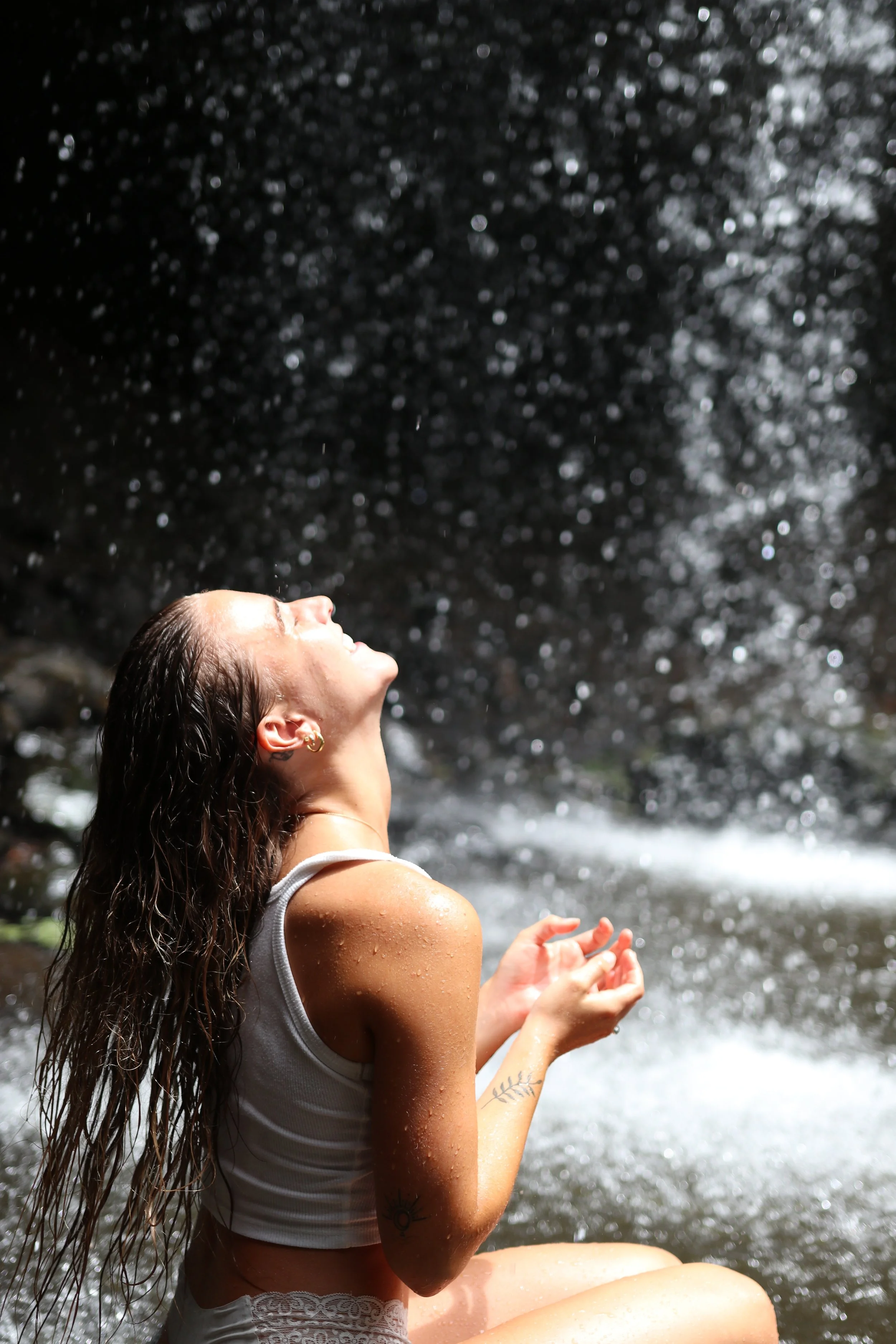
Page 2: Create a vision board that supports your posture
Repeat your posture statement, then create a simple vision board that visually supports it.
This is not about goals or outcomes. It’s about tone, energy and feeling. Choose images, colours or words that help you feel your posture in your body.
Let this be intuitive rather than perfect.
Page 3: Intentions and goals
Bringing your posture into daily life.
Using the table provided, work through each of the six life areas you’ve explored during the week:
Love, Connection & Community
Work, Purpose & Contribution
Home, Environment & Beauty
Wealth, Resources & Abundance
Health, Body & Vitality
Spirit, Vision & Becoming
For each area, in the table provided capture:
One intention – how you want to embody your posture here
One goal – how you want to actualise or manifest it in a practical way
Intentions describe how you want to be.
Goals describe what you want to do in service of that being.
Keep both realistic and kind. This is not about doing more, but about moving with alignment.
Page 4: Noodlings, thoughts and observations
The final page is deliberately open.
Use it to capture anything that doesn’t fit neatly elsewhere:
questions
insights
reminders
tensions you want to stay aware of
Finally, make it a living document
When complete, print your posture template and place it somewhere visible, or keep it digitally where you can return to it easily.
If it feels supportive, set a quarterly reminder to revisit your posture, intentions and goals. Notice what still feels true, and what may want to evolve.
Your posture is allowed to change as you do.